What if a one-hour inspection could lower your Lutz home insurance bill this year? If you are buying or already own a home in Hillsborough County, you know wind risk drives premiums. The good news is many local homes qualify for wind mitigation credits once key features are documented. In this guide, you will learn what inspectors look for, how credits work, where older and newer homes often qualify, and the simple steps to submit your report. Let’s dive in.
Wind mitigation basics in Lutz
A wind mitigation inspection documents construction details that help a home resist hurricane-level winds. It is different from a general home inspection because it focuses on wind-resistant features like roof shape, roof-to-wall connectors, and opening protection.
Lutz sits in the Tampa Bay region, where insurers commonly offer credits for verified features that reduce wind damage risk. A licensed contractor, certified wind mitigation inspector, or a building official typically completes a standardized Florida wind mitigation report that your insurer uses to evaluate credits.
How credits are granted
Here is the usual process from start to finish:
- You order a wind mitigation inspection for your property.
- The inspector completes the insurer-accepted wind mitigation form and takes photos.
- You submit the report and any supporting documents to your insurer or agent.
- Your insurer reviews the report and applies credits based on its underwriting rules.
Credit amounts and eligibility vary by insurer. Documentation quality matters, so keep permits, product labels, and invoices that prove qualifying features.
Features that often earn credits
Below are the features Florida insurers commonly evaluate. Specific credit values differ by company and policy.
Roof shape and geometry
Hip roofs, which slope on all four sides, generally perform better in high winds and often qualify for credit. Gable roofs can be more vulnerable at the gable ends, so credits may be limited unless bracing is present.
Roof deck attachment and connectors
Stronger roof deck attachment methods and fastener patterns tend to earn higher credit. Inspectors also look for metal clips, straps, or hurricane ties that create a continuous load path from roof to walls, which is a major credit driver.
Roof covering age and condition
Newer or well-maintained shingles, tile, or metal that meet wind resistance standards usually qualify. Older or end-of-life roofs may reduce or prevent credits until replaced.
Secondary water resistance
A secondary water resistance layer beneath the roof covering can qualify for credit when present and documented. This is often verified through roof replacement permits or product records.
Opening protection for windows and doors
Impact-rated windows and doors, or properly installed shutters, commonly earn credits. Inspectors will look for product approval labels, invoices, or permits that verify ratings.
Garage door reinforcement
A reinforced or impact-rated garage door can make a significant difference because garage door failure often leads to larger structural damage. Product labels and permit records help verify eligibility.
Gable end bracing
For gabled roofs, added bracing or framing reinforcements at the gable ends can reduce failure risk and may be recognized for credit when properly documented.
Lutz homes: newer vs. older
Newer construction or recent re-roofs
Homes built to more recent Florida Building Code editions, or homes with permitted roof replacements, often have qualifying roof-to-wall connectors, improved roof deck attachment, and sometimes secondary water resistance. Many will also have updated opening protection.
Older homes and smart retrofits
Older Lutz homes may lack straps, SWR, or impact-rated openings. Targeted retrofits can help you qualify. High-impact upgrades include opening protection, roof-to-wall connector improvements, and a roof replacement that documents modern attachment methods and SWR.
Common local scenarios
- Subdivisions from the 1980s to 2000s often show mixed results. Some features may qualify, but roof-to-wall connectors might lag unless the home was re-roofed.
- Homes with recent permitted re-roofs frequently qualify for multiple roof-related credits.
- Properties with impact windows or shutters and an upgraded garage door typically see meaningful opening-protection credits.
- Manufactured or mobile homes follow different rules and crediting paths. Check with your insurer and a qualified inspector for specifics.
What to gather before inspection
Collecting documents upfront helps your inspection go smoothly and supports your insurer’s review.
- Permit records for roof replacements, windows, shutters, and garage doors
- Manufacturer product data or approval labels for impact glass and shutters
- Roof underlayment type, including secondary water resistance if applicable
- Construction year and any major upgrade dates
- Clear photos of the roof, eaves, windows, doors, and garage door
Step-by-step to submit and save
Follow these steps to maximize your chance of credits:
- Schedule a wind mitigation inspection with a qualified Florida professional experienced with the standard form.
- Provide permits, product labels, and past invoices that verify qualifying features.
- Review the completed report for accuracy and clear photos.
- Submit the report and documents to your insurer or agent for evaluation.
- Confirm acceptance of the report and ask when credits will appear on your policy.
Keep a digital copy of the report for future renewals or if you sell the home. Reports and credits typically follow the property, but insurers may re-inspect or request updates.
Quick homeowner checklist
Use this list during due diligence or before your inspection.
- Basic property info
- Year built, roof replacement dates, and permit numbers
- Roof and attic
- Roof shape: hip or gable
- Roof covering type and age, plus last full replacement date
- Secondary water resistance noted on permits or contractor documents
- Roof deck material and visible fasteners if accessible
- Straps, clips, or ties visible in the attic
- Openings
- Impact-rated windows and doors, or permitted shutters with product approvals
- Reinforced or impact-rated garage door with documentation
- Gable ends
- Presence of gable-end bracing or retrofit documentation
- Documentation package
- Copies of permits, contractor invoices, and product specs
- Photos of labels for impact glass, shutters, and garage doors
Visual guide: what features look like
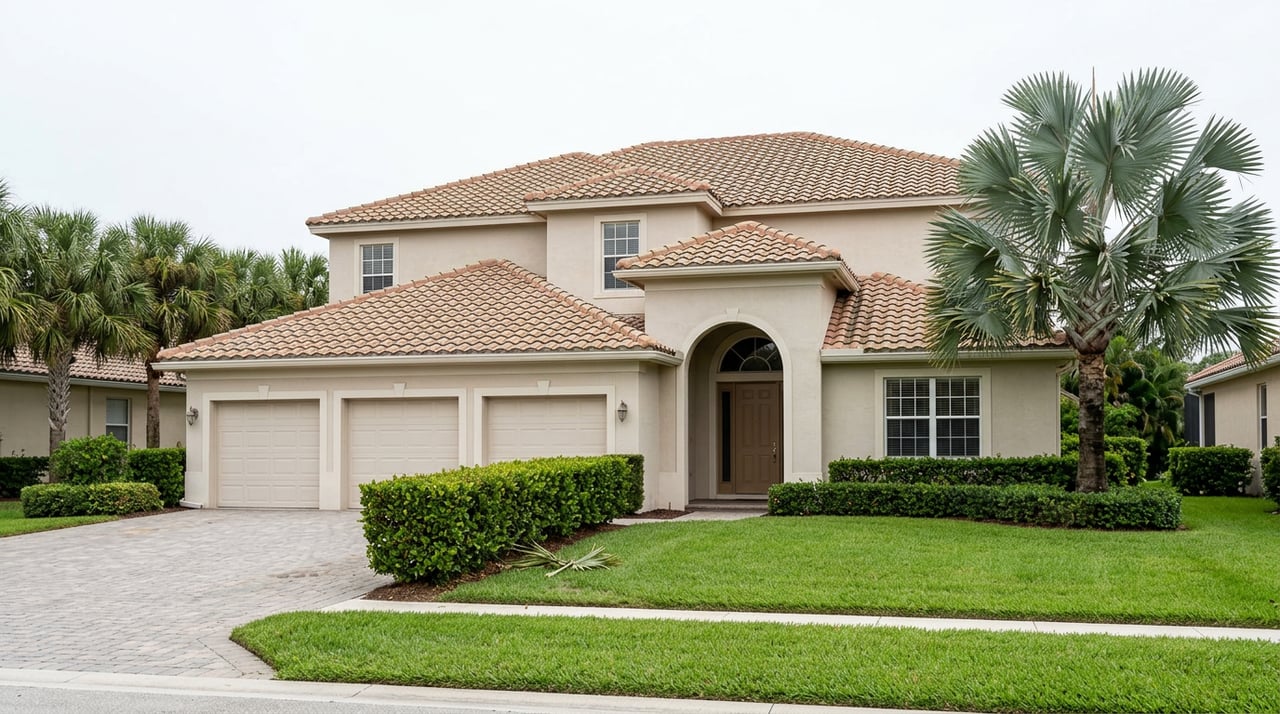
- Hip roof: All sides slope to the walls with no vertical gables. Think pyramid-like edges on every side.
- Gable roof: Two sloped sides meet at a ridge with triangular end walls. Look for the triangular wall at the roof’s end.
- Roof clips or straps: Metal connectors tying roof framing to the top plate. Often visible in the attic.
- Secondary water resistance: A specialized underlayment beneath roofing. Usually verified by roof permits or contractor documentation.
- Impact glass vs. shutters: Impact windows look like standard glass but have product labels. Shutters may be permanent metal panels, accordion, or roll-down with visible tracks.
- Reinforced garage door: Thicker panels, visible horizontal bracing, and a label showing wind rating or model.
Common pitfalls and how to avoid them
- Insurer variation: Carriers use different credit matrices. Ask your insurer what they recognize and what documents they require.
- Hard-to-verify items: Some features are not visible without roof removal. Permits, contractor statements, and recent re-roof records can help.
- Costs vs. savings: Some upgrades are significant investments. Consider both insurance savings and reduced risk of storm damage.
- Transfer and re-inspections: Credits generally follow the property with documentation, but your insurer may re-inspect or request updates.
Planning upgrades that pay off
If you are prioritizing projects, many owners start with opening protection and an upgraded garage door, then address roof-to-wall connectors and secondary water resistance when re-roofing. Work with qualified Florida contractors, keep all records, and plan your inspection after upgrades are complete.
Buyers: use credits to compare homes
During your inspection period, request the seller’s wind mitigation report, roof permits, and product documentation. If no report exists, consider ordering one. Comparing likely credits can help you evaluate total ownership costs between homes in Lutz, not just the purchase price.
Ready to take the next step?
Whether you are preparing to sell, buying in Lutz, or budgeting for upgrades, we can help you navigate documentation and timing so you capture eligible credits with confidence. For local guidance and a smooth transaction from search to close, connect with Lucy Ambrose.
FAQs
What is a wind mitigation inspection for a Lutz home?
- A focused inspection that documents wind-resistant features such as roof shape, fasteners, roof-to-wall connectors, and opening protection so your insurer can evaluate credits.
How much can wind mitigation credits save on Florida insurance?
- Savings vary by insurer and policy, and credits depend on verified features documented in your inspection report and supporting permits or product records.
Who can perform a wind mitigation inspection in Hillsborough County?
- Licensed contractors, certified wind mitigation inspectors, or in some cases building officials, provided the inspector uses the insurer-accepted Florida form.
Do I need impact windows to qualify for credits in Lutz?
- Not always, but impact-rated windows, approved shutters, and an upgraded garage door are commonly credited and can significantly strengthen your overall mitigation profile.
Will wind mitigation credits transfer if I buy a Lutz home with a report?
- Credits generally follow the property when the report and documentation transfer, but carriers can re-inspect or request updates based on their rules.
How often should I update my wind mitigation report for my insurer?
- Update after major upgrades like a permitted re-roof or opening protection installation, and ask your insurer if a new inspection is required at renewal.
What documents should I prepare before a wind mitigation inspection in Lutz?
- Roof and window permits, product labels or approval numbers, contractor invoices, construction year, upgrade dates, and clear photos of the roof and openings.