Thinking about buying or selling in Palm Harbor but not sure when to make your move? You are not alone. The area follows a clear seasonal rhythm that affects pricing pressure, inventory, and how fast homes go under contract. In this guide, you will learn the basics of what moves the market, how seasonality plays out, and practical steps to prepare your offer or listing. Let’s dive in.
What moves prices in Palm Harbor
Palm Harbor’s pricing is shaped by supply, lifestyle demand, and the coastal setting. The market is mostly resale homes, so shifts in listing activity and buyer traffic show up quickly in pricing and days on market.
- Limited land and established neighborhoods mean resale inventory drives supply.
- Product types include single-family homes, waterfront and near-water properties, condos and townhomes, and age-restricted communities.
- Lifestyle access matters: water, boating, golf, and a suburban feel close to urban amenities.
Buyer motivation is diverse. Seasonal and part-time residents seek low-maintenance living and warm winters. Year-round buyers include families focused on school zones, professionals commuting across the Tampa Bay region, and investors pursuing rental income where permitted.
Access and commute patterns play a role. Proximity to major corridors and regional job centers influences which micro-locations see the strongest demand. Nearby airports also increase appeal for part-time residents and remote workers.
Cost and risk factors matter. Property taxes, HOA structures, flood zones, and insurance availability influence affordability. Coastal regulations and building requirements affect renovation plans for waterfront and near-shore homes.
Macro trends set the backdrop. Mortgage rate changes affect purchasing power and buyer pools, while Florida’s net in-migration supports steady demand over time.
Seasonality: what to expect through the year
Palm Harbor follows a familiar Gulf Coast pattern. The market generally sees more buyers in the late fall through spring and a quieter stretch in summer and early fall.
High season: late fall through spring
- More part-time residents and out-of-state buyers are in town.
- Well-presented, well-priced homes can move quickly.
- Multiple offers are more likely on standout listings.
Off season: summer into early fall
- Fewer seasonal buyers and lighter showing traffic.
- Local buyers remain active, but overall pressure eases.
- Motivated sellers may be more flexible on price or concessions.
Weather and logistics effects
- Hurricane season can influence listing timing and buyer contingencies.
- After major storms, some sellers pause plans and buyers may add protection clauses.
- Busy tourist periods can affect scheduling for inspections and contractors.
Inventory and pricing behavior
- Inventory often tightens in high season as buyer traffic increases.
- In quieter months, buyers may find more room to negotiate.
- Short windows of competition can appear whenever a home is priced right and shows well.
Palm Harbor micro-markets to know
Palm Harbor is not one uniform market. Micro-locations and property types behave differently, and small positioning decisions can make a big difference.
Waterfront and near-water homes
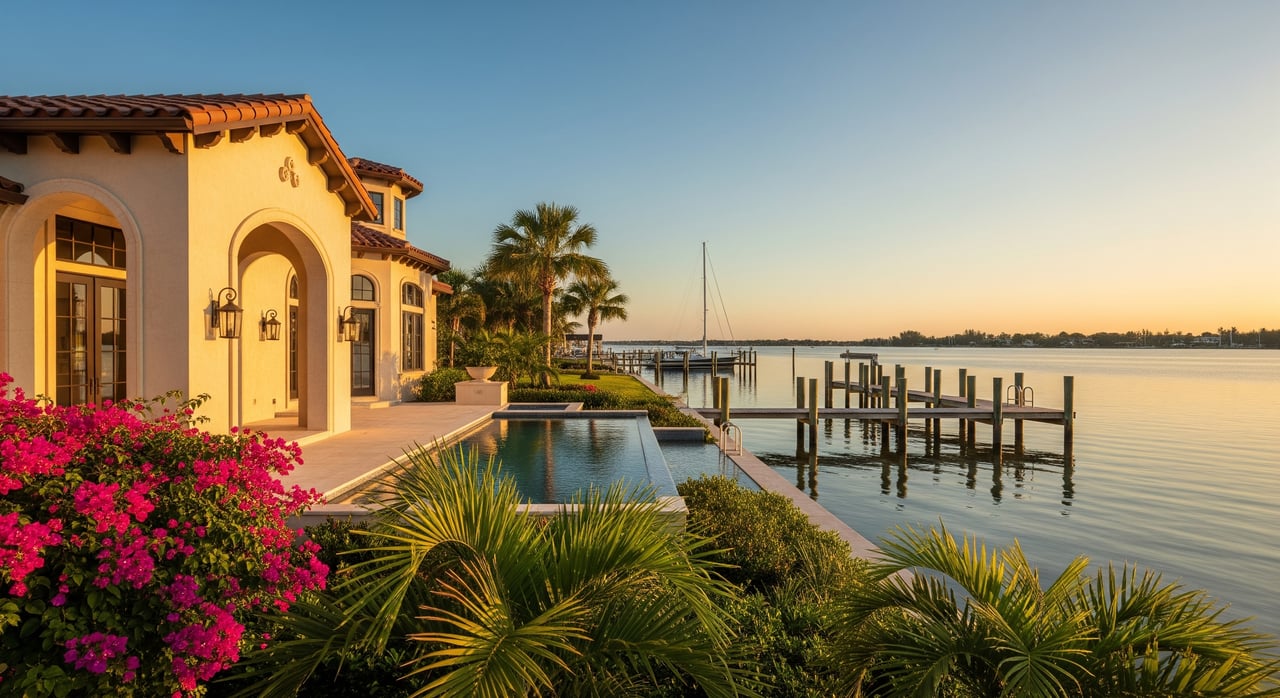
- Properties along St. Joseph Sound, lagoons, and canals carry premiums for water access, views, and boating.
- Inspections focus on docks, seawalls, elevation, and flood mitigation.
- Supply is limited, so strong listings can trigger quick competition.
Established single-family neighborhoods
- Mature, inland neighborhoods attract buyers seeking lot size and neighborhood stability.
- Renovation potential is a common draw; offers may hinge on inspection findings and scope-of-work plans.
Age-restricted and active adult communities
- These appeal to retirees and seasonal residents who value amenities and low exterior maintenance.
- HOA rules, dues, and amenity access are key due diligence items.
Condos and townhomes
- Lower-maintenance options with potential entry-level pricing relative to single-family homes.
- Financing can depend on HOA reserves, documentation, and insurance structure.
New construction and infill
- Limited single-family new builds appear in pockets and infill sites.
- Tear-down and rebuild activity can shift comparable values over time.
School zones and micro-location
- Proximity to specific attendance zones within Pinellas County Schools influences buyer demand.
- Small boundary differences can affect pricing among adjacent neighborhoods.
How offers and negotiation typically work
Offer structure in Palm Harbor reflects season, property type, and competition level. Preparation helps you move with confidence.
Contingencies: inspection, financing, appraisal
- Inspection periods are standard and often lead to credits or repairs.
- Coastal and older homes may surface issues like roof, HVAC, plumbing, or seawalls.
- Appraisals matter if pricing stretches beyond recent comps, especially in niche micro-markets.
Multiple offers and escalation
- In high season, sellers often call for highest-and-best by a set deadline.
- Escalation clauses can keep you competitive when used thoughtfully and documented clearly.
Earnest money and timelines
- Larger deposits and concise inspection periods can strengthen an offer.
- Sellers prefer clean terms and reasonable closings, while buyers must protect financing and due diligence needs.
Concessions and buyer protections
- In quieter months, buyers may secure closing cost help or repair credits.
- In competitive moments, sellers rarely grant concessions unless necessary.
Insurance and appraisal considerations
- Insurance availability and premiums can affect financing and closing.
- Appraisals can vary for unique or waterfront properties, so strong local comps are valuable.
Buyer playbook: how to shop smart
Clarify your must-haves early so you can act quickly when the right home appears.
- Define priorities: water access, school zone, commute, HOA type, and maintenance level.
- Get pre-approved with a lender experienced in Florida coastal underwriting.
- Price and prepare for seasonality: fast action in high season, negotiation focus in summer.
- Order targeted inspections for coastal risks and obtain insurance quotes early.
- Review HOA health, reserves, and rules for condos and gated communities.
Seller playbook: how to list with confidence
Presentation and pricing are your two biggest levers. The right prep reduces friction and supports stronger outcomes.
- Gather documentation: roof age, maintenance logs, flood elevation certificate, seawall and dock records.
- Complete simple curb appeal and staging for broader appeal to out-of-state buyers.
- Time the market if you can, but do not let the calendar override correct pricing.
- Anticipate inspection items and consider pre-listing repairs that deliver high impact.
Financing and insurance basics
Financing and insurance are central to closing smoothly in a coastal market.
- Work with lenders who understand flood zones, wind mitigation, and coastal valuations.
- Build homeowner and flood insurance into your affordability from day one.
- Expect underwriters to scrutinize HOA reserves and insurance for condos and townhomes.
- Ask for clarity on appraisal risk in niche micro-markets like waterfront and high-upgrade homes.
Putting it together
Palm Harbor rewards preparation. If you know how seasonality works, which micro-markets fit your goals, and how to structure a clean offer or listing, you can move with confidence. Whether you are buying a waterfront home, relocating for work, or positioning a family property for sale, the right advisor can make the timing and negotiation feel simple.
Ready to plan your next move in Palm Harbor? Reach out to Lucy Ambrose for boutique, high-touch guidance backed by luxury marketing, construction know-how, and financing partnerships.
FAQs
When is peak home-buying season in Palm Harbor?
- Late fall through spring typically brings more out-of-state and part-time buyers, which can increase competition and speed up sales.
How does hurricane season affect buying or selling in Palm Harbor?
- It can influence timing, insurance reviews, and contingencies, with some sellers pausing listings after storms and buyers requesting protection clauses.
What should buyers know about waterfront homes in Palm Harbor?
- Expect premium pricing, focused inspections on seawalls and docks, and limited supply that can trigger quick, competitive offers for well-positioned listings.
Are there advantages to buying during summer in Palm Harbor?
- Yes, you may face less competition, potentially better access to inspections and contractors, and more room to negotiate with motivated sellers.
How do HOA and condo rules affect financing in Palm Harbor?
- Lenders review HOA reserves, insurance, and documentation closely, which can impact loan approval and timelines for condos and townhomes.
Is it better to list in high season or off season in Palm Harbor?
- High season can bring more buyers and faster showings, but correct pricing and strong presentation matter more than the calendar alone.