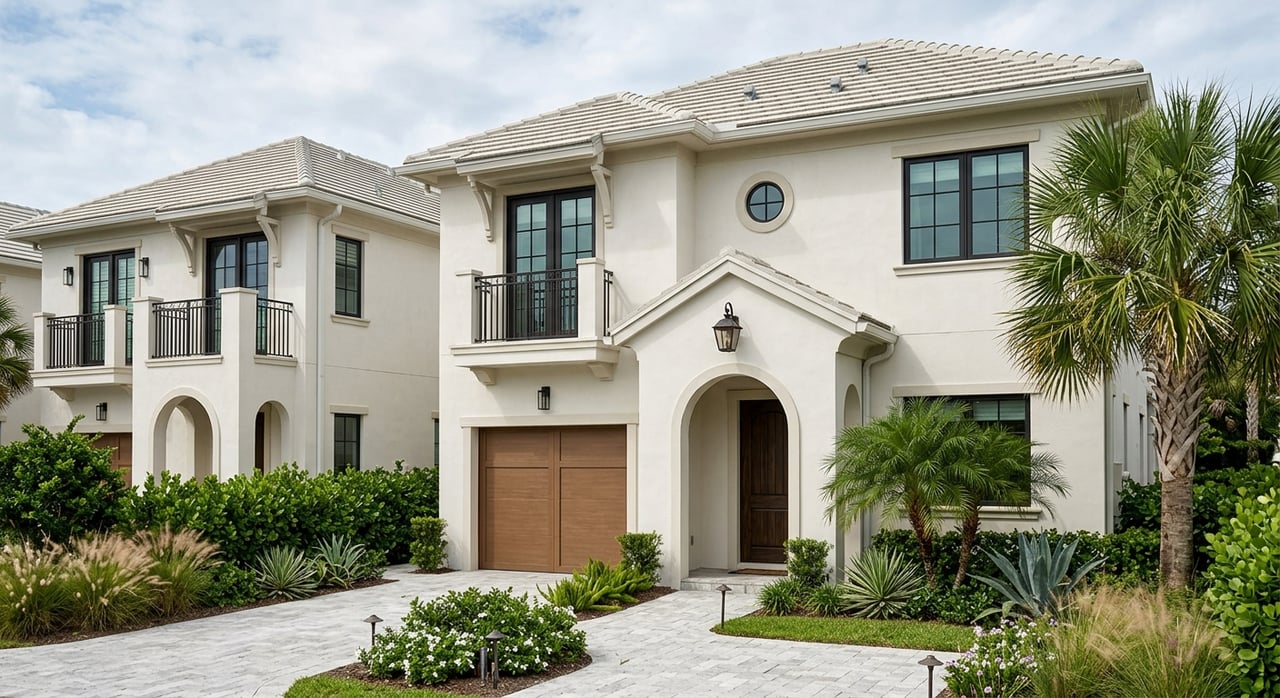
Are you looking for a home in Palm Harbor that feels easy to own, easy to lock up, and easy to leave when life gets busy? If you want less exterior upkeep without giving up comfort, amenities, or garage space, townhomes and villas deserve a closer look. In Palm Harbor, these attached-home options can offer a practical blend of convenience and lifestyle, but the details matter more than the label. Let’s dive in.
Why Palm Harbor Fits Lock-and-Leave Buyers
Palm Harbor already has established attached-home communities that support a lower-maintenance lifestyle. In unincorporated Palm Harbor, Pinellas County serves residents, but in daily life, the recorded HOA or condo documents often shape how ownership works in a townhome or villa community.
That matters because your day-to-day experience may depend less on whether a home is called a townhome or villa and more on what the association maintains, what dues include, and what rules apply. For buyers who travel often, split time seasonally, or simply want fewer chores, that structure can be a real advantage.
What Townhomes and Villas Look Like
Palm Harbor townhomes come in a fairly broad range of sizes and layouts. Examples reviewed included homes with 2 to 4 bedrooms, 1- or 2-car garages, and about 1,250 to 2,300 square feet.
That gives you options if you want something compact and efficient or a larger attached home with more room for guests, work, or hobbies. Some current examples include courtyard-style floor plans, end units, and multi-bedroom layouts that feel closer to a detached home in function.
Villas in Palm Harbor often lean into flexibility and easier upkeep. Recent examples included 2-bedroom layouts with an office, den, or study, plus garage parking and practical one-level-style living patterns.
For many buyers, that makes villas appealing if you want adaptable space without taking on a large yard. You may still get features like a private garage, screened outdoor space, or a bonus room that works well for remote work or visiting family.
Amenities Can Be a Big Part of the Appeal
One reason lock-and-leave buyers often focus on attached homes is the amenity package. In Palm Harbor, examples reviewed showed features like heated pools, fitness centers, tennis and pickleball courts, basketball courts, clubhouses, and landscaped common areas.
Some communities also bundle day-to-day services into dues. In current listing examples, HOA fees were described as covering items such as cable, internet, trash, and landscaping.
That can simplify ownership in a meaningful way. Instead of managing every outside task yourself, you may have a more predictable monthly cost and fewer routine responsibilities.
Palm Harbor Community Examples
Wedgewood of Palm Harbor is one local example of a maintenance-light community. It describes itself as a 368-townhome community with landscaped common areas, a pool, spa, tennis, clubhouse, playground, and on-site maintenance support.
Westlake Village is another useful example because it shows how access can vary by ownership type. The community identifies itself as deed-restricted and includes townhomes and villas, with park and tennis access for those owners, while pool use is reserved for single-family owners unless a full assessment is paid.
That is a good reminder that amenities are not always shared equally across every home type in a master-planned area. If a specific feature matters to you, it is worth verifying access before you buy.
What Lock-and-Leave Really Means
A lock-and-leave home does not mean no responsibilities. It usually means less hands-on exterior maintenance and a more managed ownership structure.
In Florida, the governing documents are central. Under state law, an HOA’s powers and duties come from the statute and the recorded governing documents, and condominium associations are generally responsible for maintaining common elements unless the declaration assigns certain limited common elements to the unit owner.
In plain terms, the name on the listing does not tell you enough. A townhome or villa may include association help with some exterior items, but the declaration determines who handles roofs, exterior walls, landscaping, and other components.
Why the Documents Matter So Much
In Palm Harbor, community examples show how ownership responsibilities can vary. Wedgewood reports on-site property management and maintenance support, which can make ownership feel more streamlined.
Brookhaven shows the other side of the equation. There, owners are instructed to route service requests through the HOA, exterior changes require architectural review approval, and homeowners are still responsible for certain repairs such as chimney issues, storm and rodent damage, and plumbing or sewage repairs.
This is the real heart of lock-and-leave living. Some burdens shift away from you, but not every repair, approval, or cost disappears.
Townhomes and Villas vs Single-Family Homes
The biggest tradeoff is usually autonomy versus convenience. If you buy a detached single-family home, you often have more direct control over the property and more freedom over exterior decisions.
With a townhome or villa, you may gain lower exterior upkeep and shared amenities, but you usually accept more rules and less flexibility. In some communities, attached-home owners may also have different amenity access than single-family owners.
That tradeoff can be well worth it if your goal is simpler ownership. It may be less appealing if you want a large private lot, broad freedom to modify the exterior, or full control over maintenance timing and decisions.
Who These Homes Fit Best
Palm Harbor townhomes and villas are often a strong fit if you want ownership that supports a busy schedule. They can work especially well for downsizers, professionals, and seasonal residents who want easier travel, less exterior upkeep, and useful community amenities.
They can also be a smart option if you want functional square footage without taking on the work that often comes with a larger detached property. Many plans still offer multiple bedrooms, garage parking, and flexible bonus spaces.
They may be a weaker fit if you place a high priority on a larger lot, broad exterior design freedom, or fewer association rules. In that case, a detached home may better match your goals.
What to Check Before You Buy
A Palm Harbor townhome or villa can be a great fit, but only if the details line up with how you plan to live. Before you move forward, focus on the items below.
Review Maintenance Responsibilities
Ask for clear confirmation of what the association maintains and what you maintain. Pay close attention to roofs, exterior walls, landscaping, driveways, lanais, and any areas considered limited common elements.
Compare What Dues Actually Cover
Do not judge dues by price alone. Compare what is included, such as landscaping, trash, cable, internet, amenity access, or maintenance support, and weigh that against what you would otherwise manage yourself.
Confirm HOA or Condo Structure
Find out whether the property is governed as an HOA-based home or a condominium-based home. That distinction can affect maintenance responsibility, rules, and how the association operates.
Check Everyday Restrictions
Review restrictions that could affect your routine. That includes rentals, pets, parking, guest parking, and approval requirements for exterior changes like pavers, decks, or screen enclosures.
Look Closely at Outdoor Living
If low-maintenance outdoor space matters to you, confirm what the home actually includes. A courtyard, screened lanai, or small patio can offer the right balance of privacy and simplicity without the upkeep of a larger yard.
Verify Garage and Storage Needs
Not every attached home will fit the same lifestyle. If you need a 2-car garage, extra storage, or a den for work or hobbies, narrow your search around those needs early.
A Smart Way to Shop Palm Harbor Attached Homes
When you tour Palm Harbor townhomes and villas, try to think beyond finishes and staging. The smarter question is how the home will function when you are traveling, working long hours, or simply trying to keep life simpler.
Look at the monthly ownership picture as a whole. A home with higher dues may still offer strong value if it reduces maintenance tasks, bundles useful services, and gives you amenities you will actually use.
Most important, match the community structure to your lifestyle. The best lock-and-leave home is not just attractive on day one. It should feel manageable and predictable long after move-in.
If you want help comparing Palm Harbor townhomes and villas, reading between the lines of HOA documents, or narrowing down the right low-maintenance fit, Lucy Ambrose can help you search with clarity and confidence.
FAQs
What does lock-and-leave living mean in Palm Harbor townhomes and villas?
- It usually means a lower-maintenance ownership style where an HOA or condo association handles some shared or exterior responsibilities, but you still need to confirm exactly what the governing documents assign to you.
Are Palm Harbor townhomes and villas the same as condos?
- Not always. Some attached homes are HOA-based and others are condominium-based, and that difference can affect maintenance duties, rules, and how the association is structured.
What size are Palm Harbor townhomes typically?
- Examples reviewed ranged from about 1,250 to 2,300 square feet, often with 2 to 4 bedrooms and 1- or 2-car garages.
What features are common in Palm Harbor villas?
- Villas often emphasize easier upkeep, garage parking, and flexible spaces like dens, offices, or studies rather than large private lots.
Do HOA fees in Palm Harbor attached-home communities cover utilities and services?
- In some examples reviewed, dues were described as covering items like cable, internet, trash, landscaping, and access to shared amenities, but coverage varies by community.
What should you review before buying a Palm Harbor villa or townhome?
- You should confirm maintenance responsibilities, what dues include, whether the home is HOA- or condo-governed, and any restrictions on rentals, pets, parking, or exterior changes.