Thinking about selling your Lutz home this year? The week you go live can shape everything from showing traffic to the strength of your offers. If you plan even 60 to 120 days ahead, you can time your launch to when buyers are most active in our area. In this guide, you’ll learn the best listing windows for Lutz, how to align timing with your ideal buyer, and a clear prep calendar to get market-ready. Let’s dive in.
Why timing matters in Lutz
Lutz follows the Tampa Bay market’s broader rhythms with a few Florida-specific twists. Buyer attention typically rises in late winter and peaks through spring, with a smaller bump in early fall. Winter brings steady interest from relocators and seasonal residents, while summer can slow unless a home is priced and prepared for motivated movers.
Because Lutz sits in northern Hillsborough County and draws a mix of families, retirees, and relocating professionals, the best timing for you depends on the buyer profile your home is most likely to attract. A well-timed launch means stronger first-week activity, more showings, and cleaner terms.
Best months to list in Lutz
Late February to May: Peak season
The strongest buyer activity in Lutz generally runs from late February through May. Search traffic, showings, and offers concentrate in this window, especially for well-presented single-family homes. Families planning a summer move and relocating professionals often set their timelines around this period.
If you’re aiming for a quick launch in spring, start preparations 60 to 120 days ahead so repairs, landscaping, and photography are done before you go live. Spring curb appeal and light help your listing stand out.
September to October: A solid second window
Early fall often delivers a meaningful bump after summer travel ends. September and October can be effective if you missed spring or want to avoid the high-summer lull. This window can help you reach buyers who want to close before the holidays.
If your home targets buyers who value immediate occupancy, fall can also attract motivated purchasers who prefer to settle before year-end.
Winter: Strategic for relocators and seasonal buyers
From November through February, demand can be mixed but steady. Seasonal residents and retirees come south in the winter months, and relocation timelines stay active. Inventory often dips in winter, which can help a polished listing capture attention.
Expect holiday weeks to be quieter. If you list in winter, highlight single-level living, low-maintenance features, and proximity to healthcare and amenities when relevant.
Summer: Manage pace and expectations
June through August can be slower for new listings. Many family moves that close in summer went under contract in spring. That said, serious buyers remain in the market, and homes prepared for immediate occupancy can still perform.
If you list in high summer, make sure pricing strategy, staging, and photography are excellent, and prepare for weather-related showing considerations.
Match your buyer to your timing
Families with school-aged children
These buyers prefer to move between school years. If your home’s strengths include bedrooms, yard space, and community amenities, aim to list in February through April so you can close by June or July. That timing supports a smooth start to the new school year.
Focus marketing on move-in readiness, outdoor living, storage, and commuting convenience. Keep language factual and neutral when referencing school calendars and zones.
Relocating professionals and long-distance buyers
Relocations happen year-round, with visible spikes in spring and late summer. These buyers value clarity and speed. Give them high-quality photos, floorplans, and a full virtual tour to help them make decisions remotely.
Provide concise details on commute options, neighborhood amenities, and typical contract-to-close timelines so they can plan their move effectively.
Retirees and seasonal buyers
Interest often rises from late fall through early spring when seasonal residents are in Florida. If your home offers single-level living, low-maintenance features, or quick access to healthcare and shopping, a late fall or winter listing can be advantageous.
Ensure your listing highlights ease of maintenance, recent mechanical updates, and any storm-readiness features.
Investors and cash buyers
Investors act when opportunity arises, regardless of season. They respond to sharp pricing, clean inspection reports, and clear rent or resale potential. If your timeline is flexible, staying alert for investor interest can lead to faster closings.
Provide a concise feature sheet with recent upgrades, utility averages, and HOA rules and fees to support quick underwriting of the opportunity.
Florida factors that affect timing
Hurricane season realities
Hurricane season runs from June 1 to November 30. While most weeks proceed normally, storms can cause showing cancellations, inspection delays, or buyer hesitation. You can reduce uncertainty by documenting roof condition, shutters, elevation, flood mitigation, and any recent storm-related repairs.
Have inspection reports, receipts, and permits organized. Buyers appreciate proof of readiness and maintenance.
Curb appeal and landscaping windows
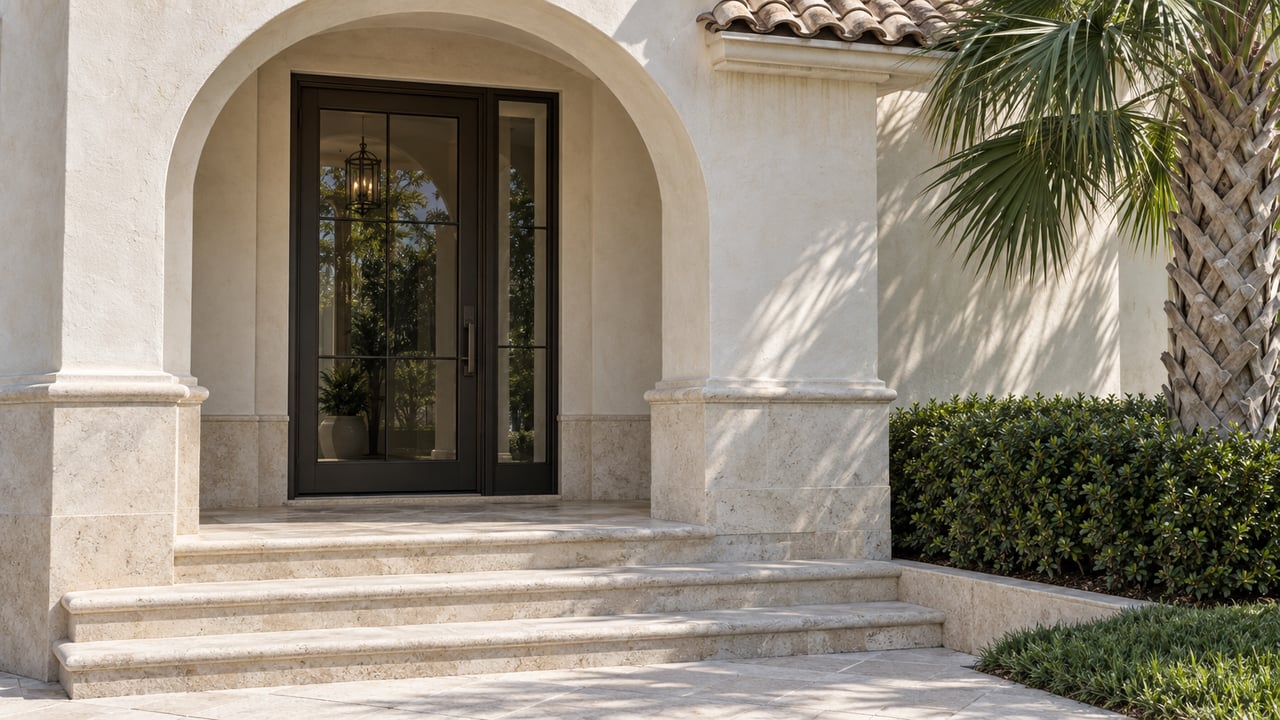
Spring and late fall typically present the healthiest landscape and the best light for photos. If you’re targeting a summer launch, consider refreshing mulch and plantings and scheduling photography for early morning or late afternoon.
Keep the lawn, pool, and exterior lighting dialed in for both photos and showings.
Insurance, flood zones, and disclosures
In Florida, insurance and flood zone details can influence buyer decisions. Gather your current premiums, deductibles, and any FEMA flood zone information. If available, include an elevation certificate and documentation of drainage improvements.
Having clear information ready builds trust and can speed negotiations.
Mortgage rates and market shifts
Interest rate changes can amplify or soften seasonal effects. Rising rates can create urgency in shorter windows, while declining rates can pull more buyers into the market. Work with your agent to read the current trend and fine-tune timing.
Avoid tying your entire plan to rates alone. Preparation and presentation still drive results.
A 60–120 day plan to go live
Use this simple countdown to prepare for your ideal listing week.
120 days out (about 16 weeks)
- Interview and select your listing agent and request a comparative market analysis.
- Consider a pre-list inspection to spot and fix issues early.
- Pull title info, HOA documents, recent utility bills, and your property tax details.
- Review permits and any outstanding code items; request contractor bids for major work.
- Plan staging, budget, and storage for decluttering. If you’re targeting spring, schedule exterior work now.
90 days out (about 12 weeks)
- Start repairs and any targeted updates, like neutral paint or fixture swaps.
- Deep clean and launch landscaping improvements to boost curb appeal.
- Finalize staging approach, whether DIY or professional.
- Assemble warranties, manuals, and receipts for a clean seller packet.
60 days out (about 8 weeks)
- Wrap significant repairs and finish interior refreshes.
- Schedule professional photography, twilight images, video, and a virtual tour.
- Book professional cleaning, carpet cleaning, and pool service if applicable.
- Draft disclosures and listing copy with your agent; align on pricing and launch timing.
- Prepare for showings by removing personal items and organizing storage areas.
30 days out (about 4 weeks)
- Complete final staging touches and confirm lockbox and showing instructions.
- Review and approve the MLS listing, photos, and virtual tour.
- Set open house dates and broker previews if part of the plan.
- Confirm moving logistics and short-term storage if needed.
Contract-to-close expectations
- Cash deals often close in 7 to 30 days.
- Financed deals commonly close in 30 to 45 days depending on lender timelines and any repair items.
Pre-listing checklist for Lutz sellers
- Administrative and documents
- Recent property tax bill, deed, title contact, and any HOA documents.
- Warranties, appliance manuals, recent utility bills, and any pre-list inspection.
- Permits and certificates for major work; contractor receipts.
- Repairs and maintenance
- Roof condition and age; gutters and drainage checked.
- HVAC service and filter change with receipts.
- Termite and pest treatment records; pool service records.
- Confirm water heater, electrical, and plumbing are functioning safely.
- Curb appeal and exterior
- Pressure wash driveways and sidewalks.
- Trim landscaping, edge beds, and add fresh mulch and seasonal plants.
- Update exterior lighting and ensure clear, visible house numbers.
- Interior presentation
- Declutter surfaces and remove personal photos.
- Neutralize bold paint colors and update dated hardware.
- Organize closets; schedule professional cleaning and carpet shampooing.
- Marketing readiness
- Book a professional photographer and videographer; plan for a floorplan and 3D tour.
- Prepare a concise feature sheet: square footage, beds/baths, upgrades, lot size, flood info.
- Compile neighborhood amenities and commute options.
- Financial and timing
- Decide on your preferred closing window and acceptable terms.
- Obtain mortgage payoff and any lien information.
- Consider a pre-list appraisal if pricing clarity is needed.
- Safety and compliance
- Test smoke and carbon monoxide detectors.
- Prepare lead-based paint disclosure for homes built before 1978.
- Gather FEMA flood information and any elevation certificates.
Photo and marketing timing
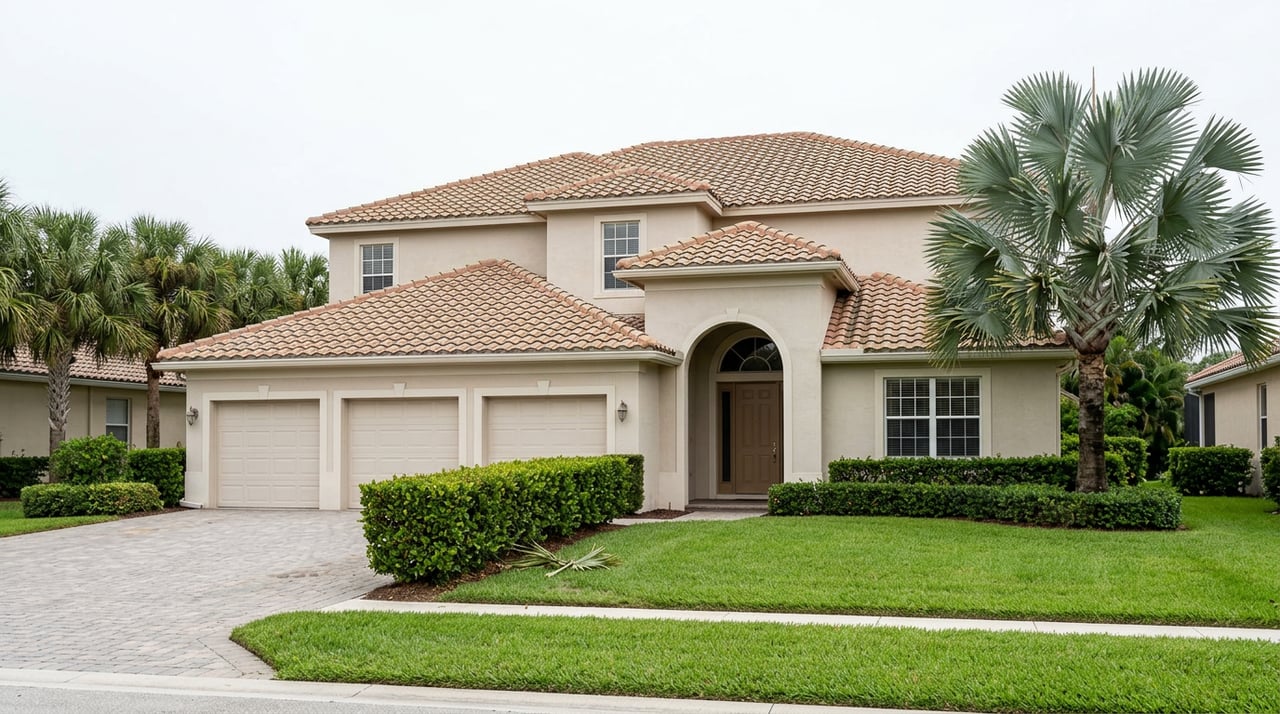
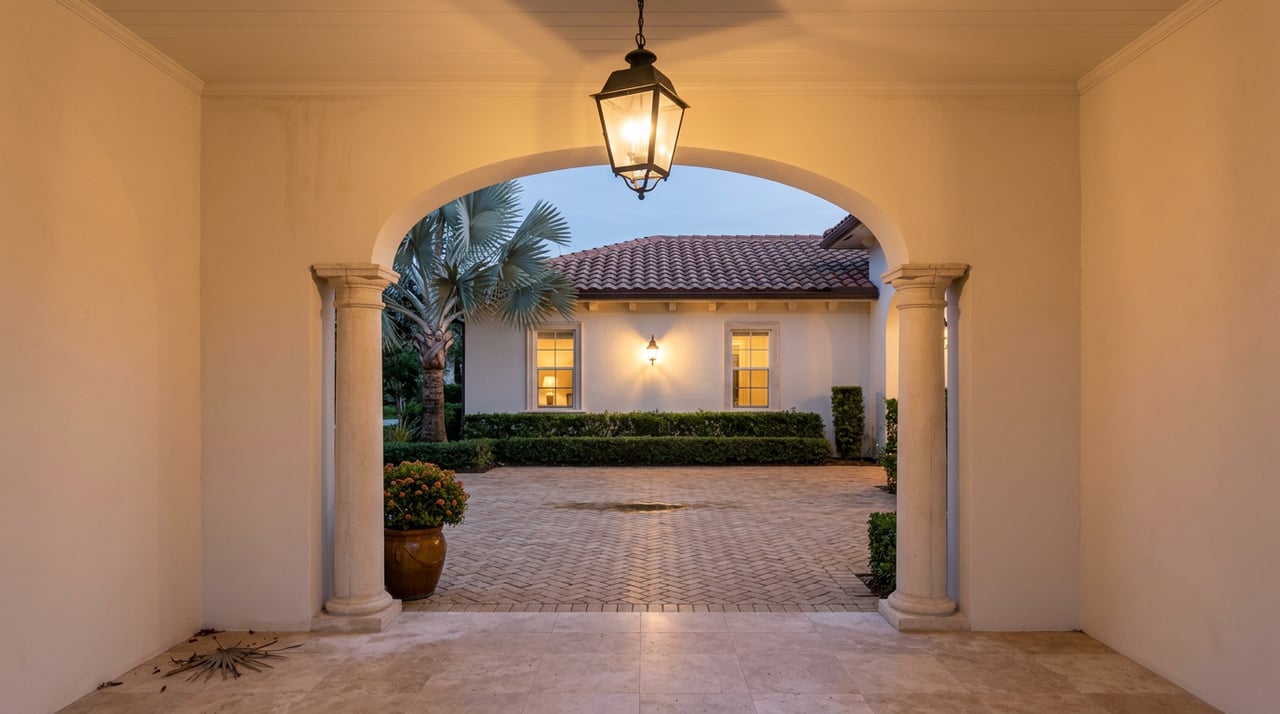
Schedule photography on a bright day when the yard looks its best. Exterior shots often shine in the morning or late afternoon when light is softer. Mow the lawn the day before, remove vehicles from the driveway, and balance pool chemicals.
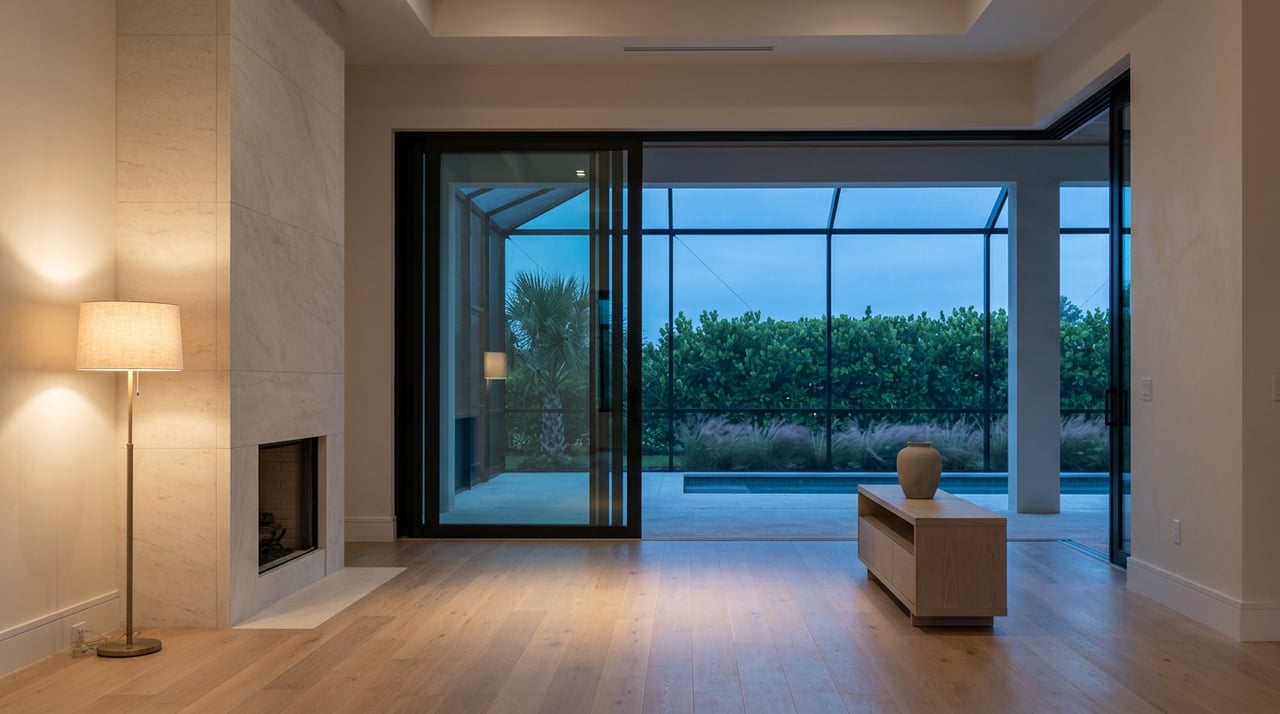
Inside, open blinds, remove heavy drapes, and lean into bright, neutral spaces. Virtual tours and floorplans are especially valuable for out-of-area buyers relocating to Lutz.
Closing before school starts
If you want to close before the new school year, plan backward from late August. For most family-oriented homes, listing in February through April often positions you to close in June or July, given typical financing timelines.
Coordinate with your agent to set realistic contingencies and milestone dates. The goal is to give buyers confidence that your home will be move-in ready on schedule.
Pick your go-live week
When your prep is complete, align your launch with buyer behavior. Many sellers list on Thursday to capture weekend traffic and build momentum through early showings and open houses. Keep showings flexible during the first week to accommodate demand.
If weather or headlines shift, a short delay of a few days can help you launch into a clearer window. Maintain your plan, but be nimble.
Putting it all together
The best time to list a home in Lutz is often late February through May, with a strong secondary option in September and October. Winter can be a smart strategy for relocators and seasonal buyers, especially when inventory is lighter. No matter the season, the sellers who win are those who prepare early, present beautifully, and price with precision.
If you want a personalized plan for your address, connect with Lucy Ambrose for a timing and prep consultation. Our boutique team blends high-touch service with polished marketing and end-to-end support so you can launch with confidence.
FAQs
What months are best to list a home in Lutz?
- Late February through May is typically strongest, with a secondary window in September and October. Winter attracts relocators and seasonal buyers.
How far in advance should I prepare my home to sell?
- Start 60 to 120 days before your target listing date so you can complete repairs, landscaping, staging, and photography without rushing.
Does hurricane season affect selling a home in Lutz?
- Storms can delay showings and inspections, but documenting roof condition, shutters, elevation, and recent repairs reduces uncertainty and keeps deals moving.
When should I schedule listing photos and staging?
- Complete staging and landscaping first, then schedule photos 1 to 2 weeks before launch for the best light and presentation.
How do I time my sale to close before school starts?
- For a late August goal, list in February through April to support a June or July closing based on typical financing timelines.